Leak detection is a crucial process in various industries, including construction, plumbing, and environmental management. With the potential to prevent significant damage and costly repairs, effective leak detection methods are essential for maintaining the integrity of structures and safeguarding natural resources. From sophisticated technology to traditional manual inspections, the strategies used for identifying leaks have evolved over the years, making it possible to pinpoint issues quickly and accurately.
This article delves into the different techniques and technologies employed in leak detection, exploring their advantages and limitations. We will also discuss the importance of timely leak identification, not only for preserving infrastructure but also for promoting sustainability and environmental protection. Understanding these aspects of leak detection can empower businesses and homeowners alike to take proactive measures against potential leaks, ensuring a safe and efficient operation in their respective areas.
Advanced Leak Detection Technologies
Modern leak detection employs a range of advanced technologies, including infrared thermography, acoustic sensors, and digital imaging. Infrared thermography allows specialists to visualize temperature variations in building materials, helping to identify hidden leaks. Acoustic sensors can detect the sound of water escaping through cracks or breaks, while digital imaging captures real-time data that can be analyzed for anomalies. These technologies offer quick, non-invasive methods for locating leaks, significantly reducing the need for destructively invasive procedures. However, they often require skilled technicians for accurate interpretation and analysis, which can add to overall costs.
Importance of Timely Detection
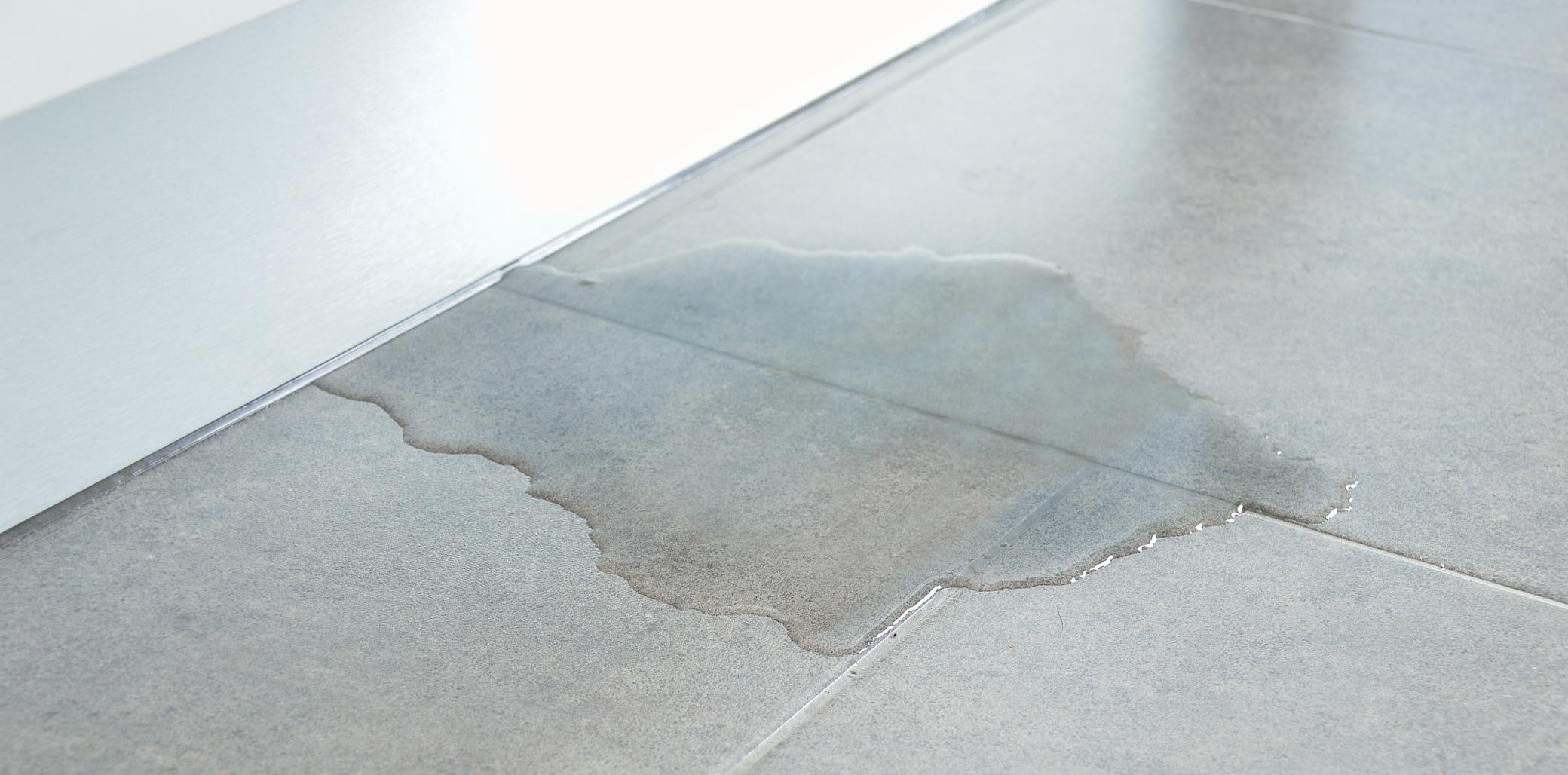
Timely leak detection is essential not only for maintaining the structural integrity of buildings but also for minimizing environmental impact. Slow or unnoticed leaks can lead to severe water damage, mold growth, and increased utility bills. Moreover, they can strain local water supplies and contribute to broader environmental issues. Utilizing services like slab leak detection Arlington can help homeowners identify and address issues before they escalate into major challenges. By being proactive, both businesses and homeowners can ensure efficiency and sustainability, protecting their investments and the environment at large.
In conclusion, effective leak detection is vital for preventing extensive damage and ensuring the safety and efficiency of both residential and commercial properties. As technology continues to advance, the methods for identifying leaks are becoming increasingly sophisticated, offering quicker and more reliable solutions to potential issues. Businesses and homeowners who prioritize timely leak detection not only protect their investments but also contribute to sustainable practices that conserve valuable resources and reduce environmental harm. By understanding and implementing these advanced leak detection strategies, stakeholders can foster a proactive approach that safeguards infrastructure and promotes a healthier planet for future generations.